Where AI Meets the Art of Interior Design

Artificial intelligence is quickly becoming part of the interior design process, giving designers new ways to visualize ideas, explore possibilities, and streamline the work behind a project. From generating concepts in seconds to helping organize specifications, AI can make certain parts of the design process faster and more efficient.
But great interior design has never been just about creating a beautiful image. It is about understanding the people who will live in a space and translating their lives, preferences, needs, and personality into a home that works for them.
That distinction is where the human side of design remains invaluable.
Bringing Ideas to Life
One of AI's most useful applications is its ability to turn ideas into visuals quickly. A written description, rough sketch, or floor plan can become a visual concept, allowing designers and clients to explore different directions without spending hours creating each version manually.
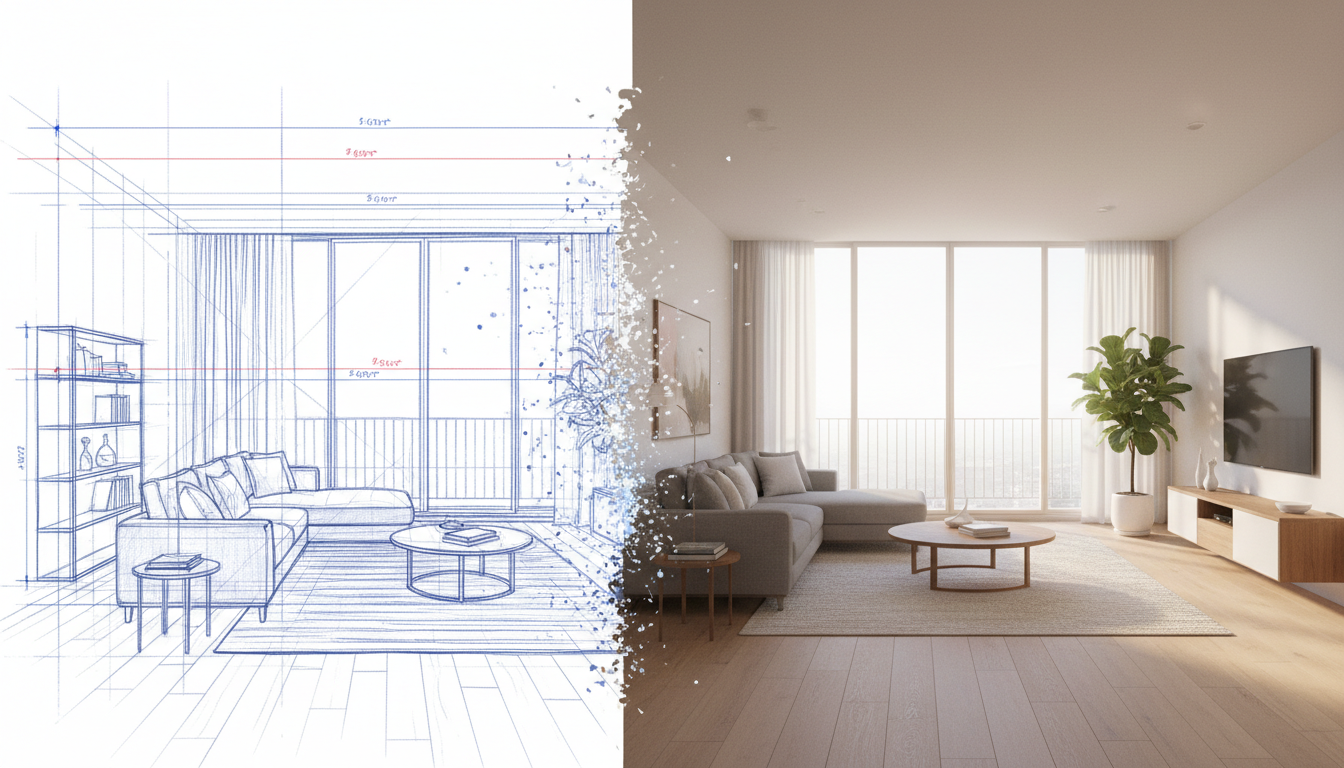
For clients who have difficulty putting their vision into words, this can be especially helpful. An idea like "warm, organic, and collected" can be difficult to describe, but seeing an interpretation of it creates something tangible to react to.
AI can also help designers explore variations in color, materials, furniture, lighting, and overall style. Rather than committing to one direction too early, designers can use these tools to quickly consider multiple possibilities and refine a vision alongside the client.
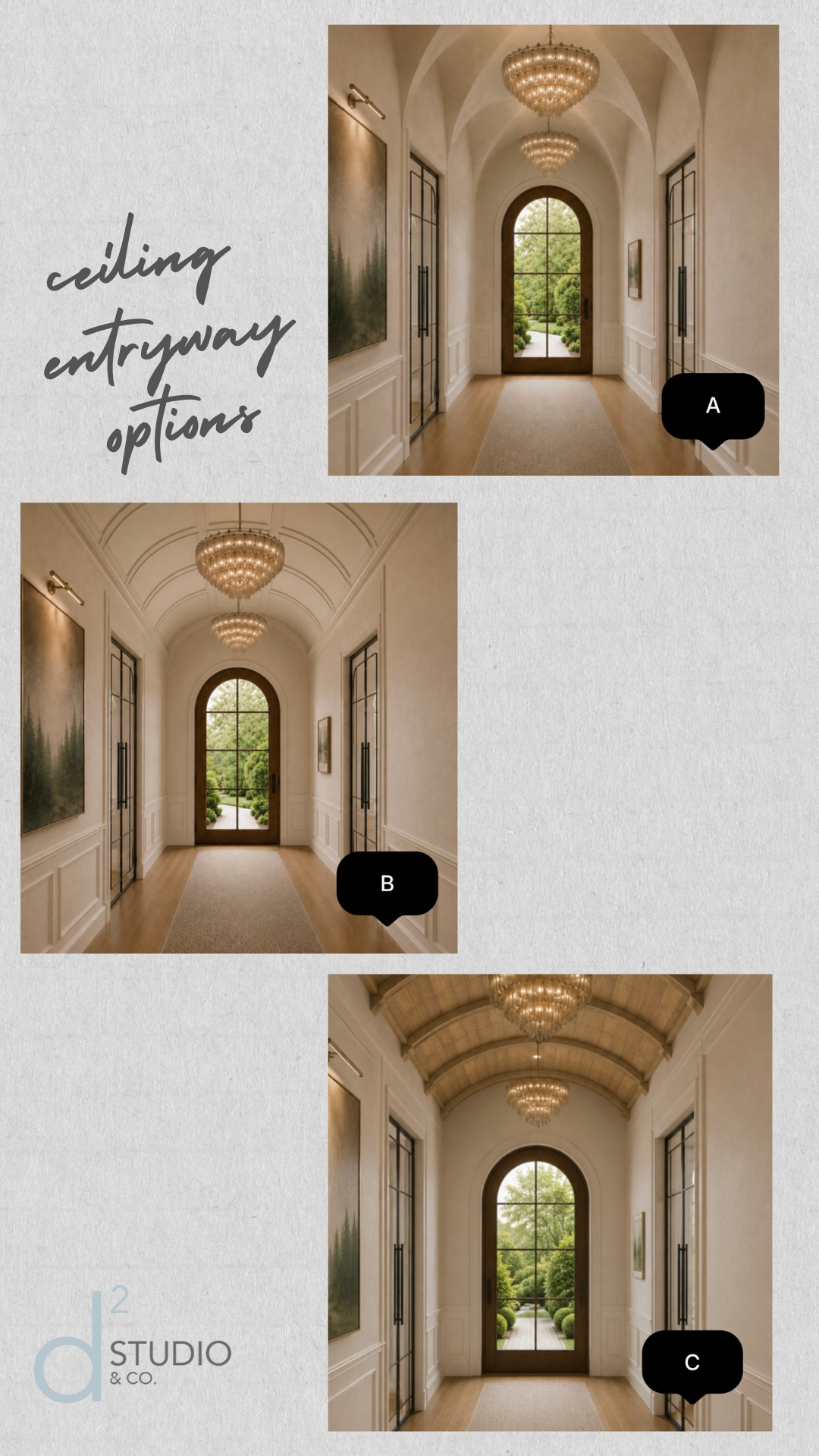
Behind the scenes, AI can assist with product research, preliminary layouts, specifications, proposals, scheduling, and other time-consuming tasks. By reducing some of the administrative workload, it gives designers more time to focus on the parts of the process that require experience and creative judgment.
Design Begins With Understanding

While AI can help visualize a space, it doesn't know the person who will live there.
At d2, our design process begins with that understanding.
Our background in branding and marketing has shaped the way we approach interior design. Just as successful branding starts with understanding an audience, successful interiors start with understanding the client.
Over the course of decades, we have developed our own Design Matrix survey, a personalized tool that helps bridge the gap between client and designer. It goes beyond simply asking about favorite colors or design styles. It helps us uncover preferences, lifestyle patterns, priorities, functionality, aesthetics, and the details that make each client unique.
The result is a 360-degree view of the client.
That information gives our designers a much deeper starting point. We aren't simply designing a room that looks good. We're looking for the connections between how someone lives and how their home should function, feel, and ultimately represent them.
Where Experience Makes the Difference
AI can generate a compelling room, but it doesn't necessarily understand whether that room can actually be built.
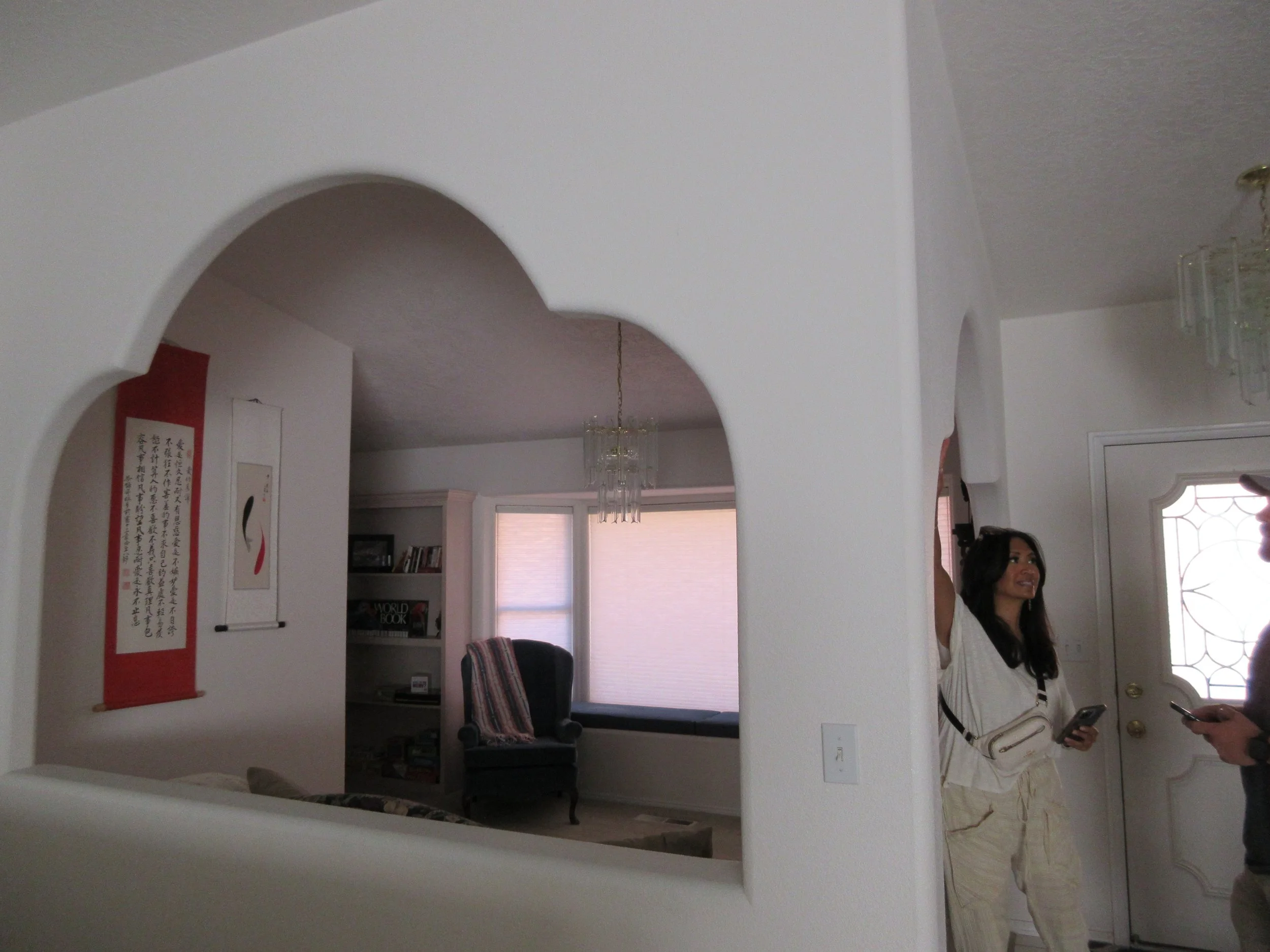
Interior designers bring knowledge of spatial relationships, construction, materials, building requirements, scale, proportion, lighting, sourcing, and the realities of a project. We understand that the furniture shown in a generated image may not actually exist, that a beautiful layout may not work with the room's dimensions, and that the perfect-looking material may not be appropriate for the way a family uses its home.
There are also countless decisions that happen beyond the screen.
How will a fabric feel in the space? How will a finish age? Does the lighting create the right atmosphere at night? Will the furniture arrangement support the way a family gathers? Is the design achievable within the budget and timeline? What happens when a product is delayed or a condition is discovered during construction?
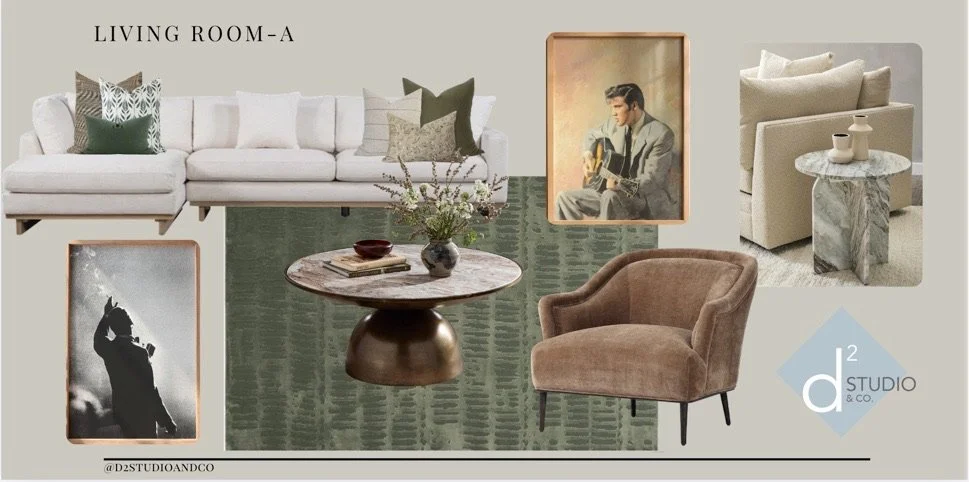
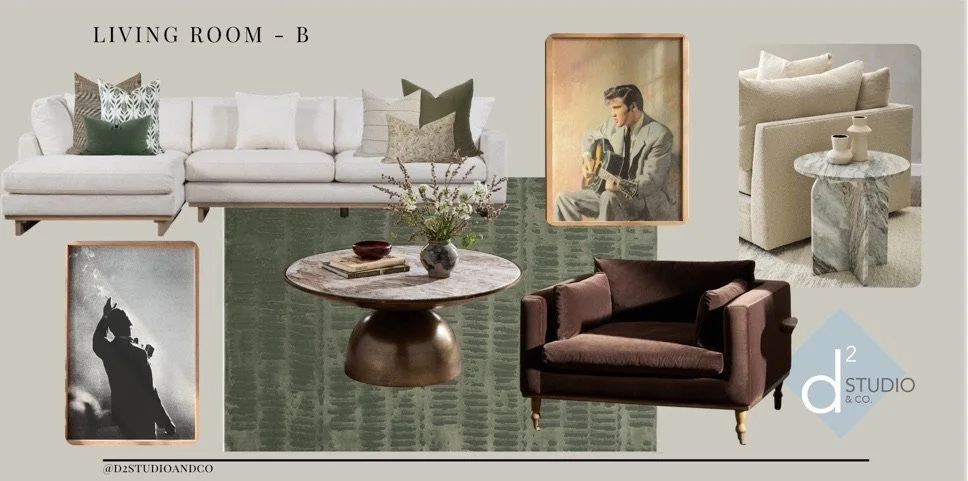
These are the moments when experience, relationships, and problem-solving matter.
And perhaps most importantly, AI doesn't have a relationship with the client. It can't ask the right follow-up question, recognize when something doesn't quite feel like you, or draw on years of experience to understand what you may want before you know how to articulate it.
So, Where Does AI Fit?
AI is at its best when it supports the design process rather than trying to replace it.
It can help designers move faster through the early stages of ideation, visualize concepts, explore alternatives, research products, organize information, and reduce repetitive administrative work. It can help clients communicate ideas and become more engaged in the creative process.
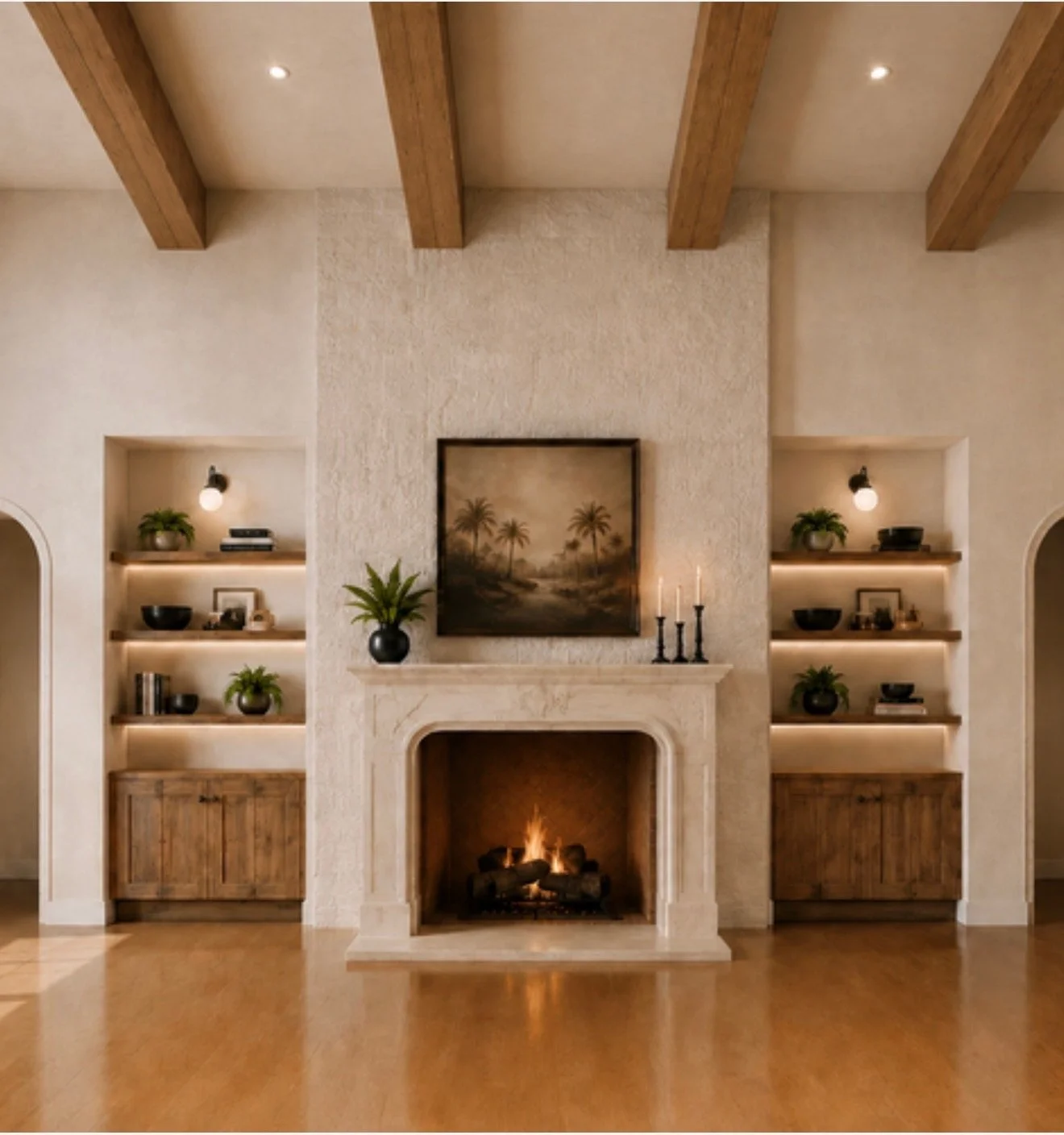
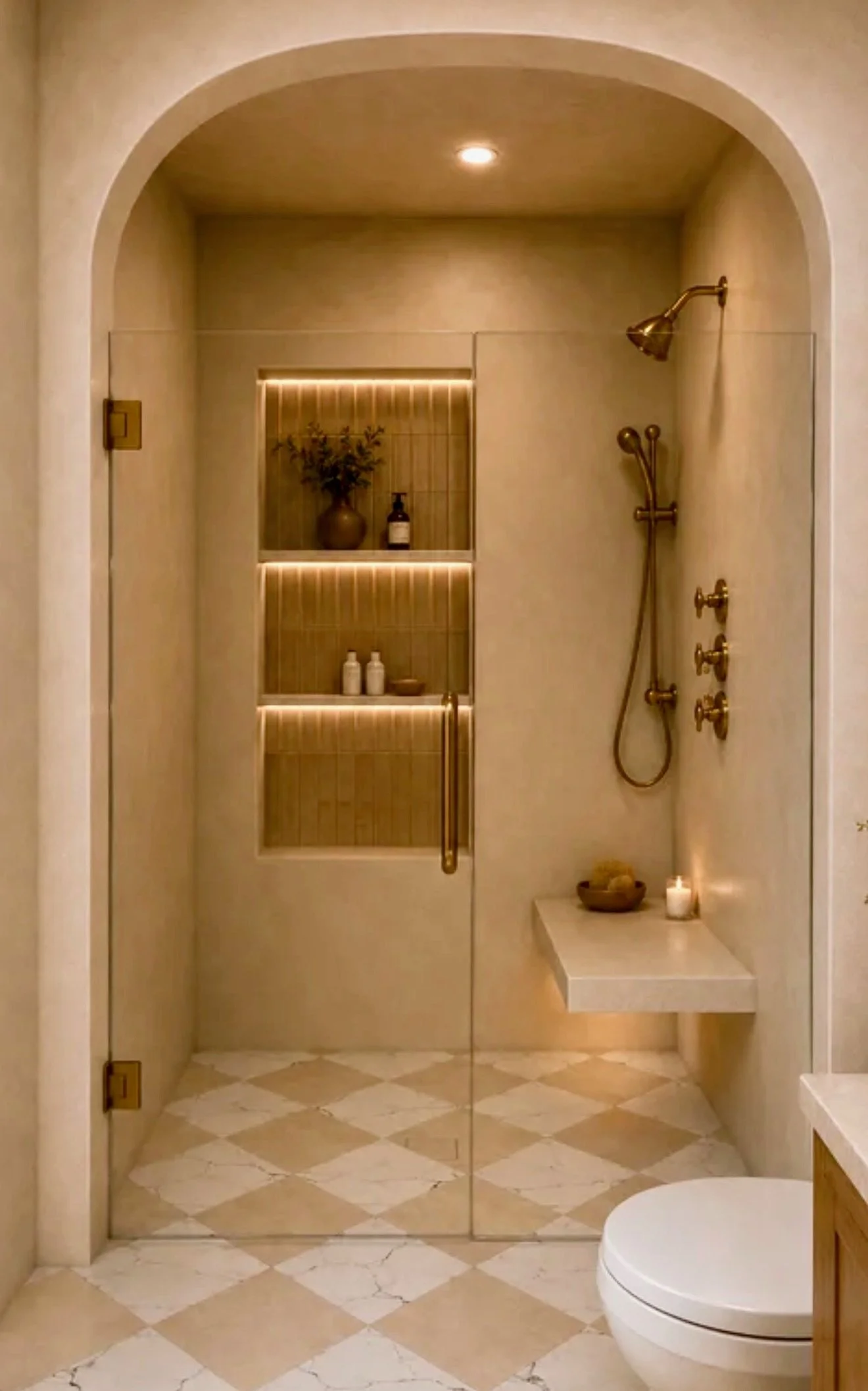
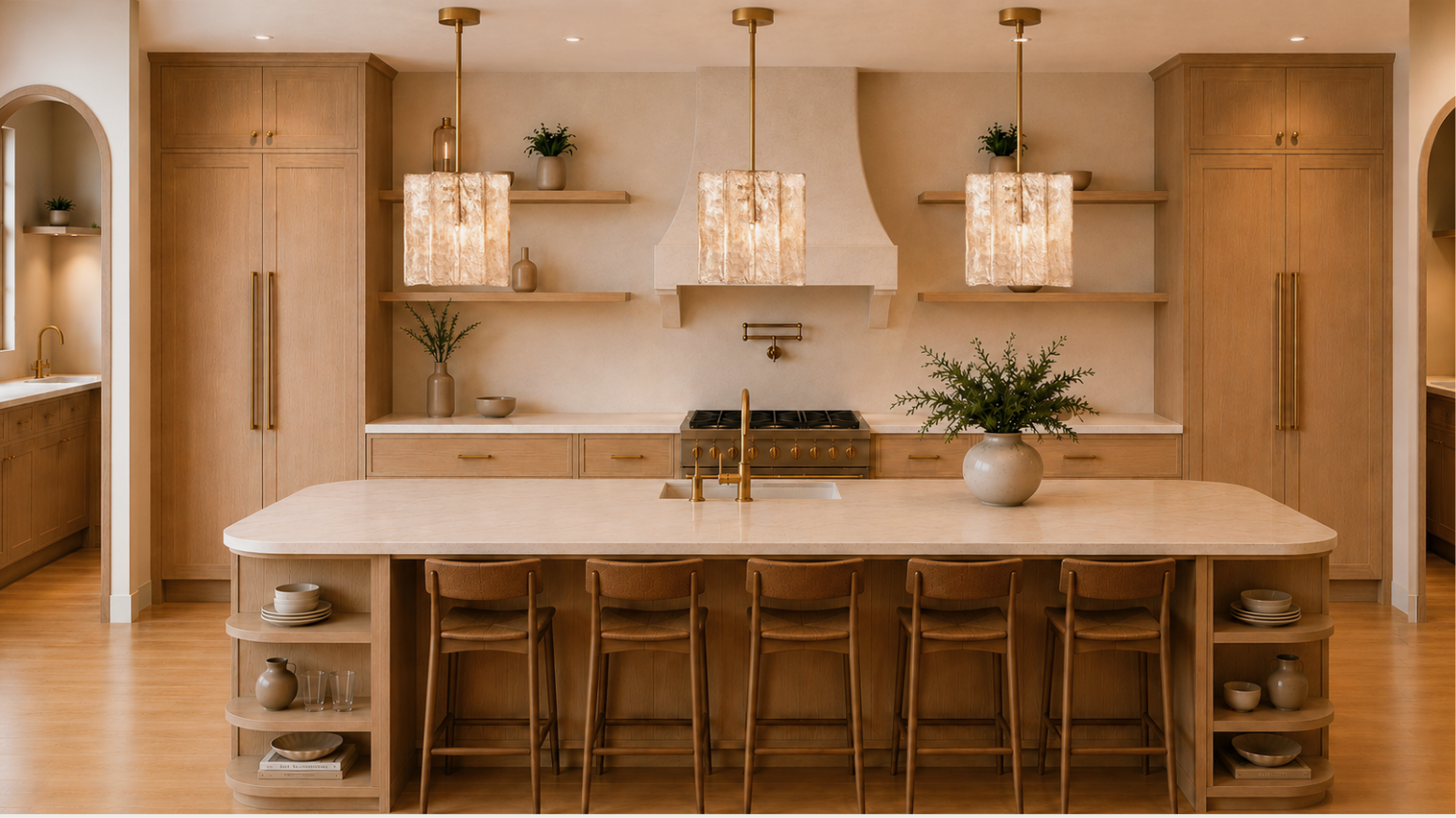
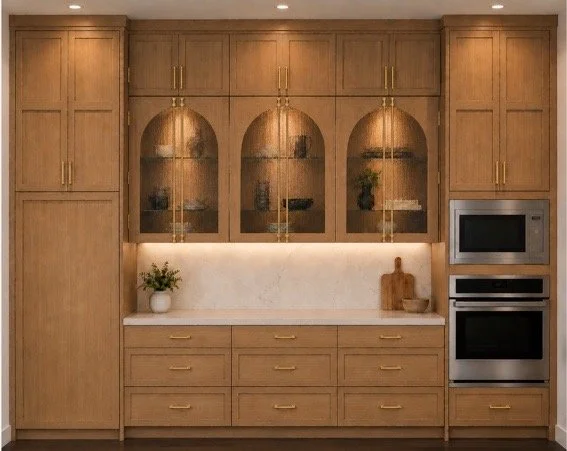
But the designer remains the person who brings those ideas into context.
At d2, that means combining the possibilities of new technology with decades of design experience, a personalized approach, and our Design Matrix process. AI can help us see more possibilities, but our role is to determine which possibilities are right for you.
The best use of AI in interior design isn't to design your home for you. It's to give your designer another tool to better communicate, visualize, refine, and ultimately create a home that is suited to your life, every day.
XOXO- STYLE Nation