Rejection = Redirection
We don’t usually talk about rejection until it’s safely in the past. Once it’s been reframed, polished, and packaged as a success story. But in real time, rejection rarely feels inspiring. It feels confusing. Personal. Sometimes even embarrassing.
Yet, again and again, the stories we admire most are built on moments where something didn’t work out the way it was supposed to. A door didn’t open. A vision wasn’t immediately understood. A “no” forced a pause—and eventually, a pivot.
Rejection doesn’t mean the end. More often, it’s the redirection towards something better.
EJAE & K-Pop Demon Hunters: The Work Had to Evolve
The story behind K-Pop Demon Hunters is a perfect example of creative redirection. EJAE, one of the minds behind the project, has spoken about how the concept didn’t arrive fully formed or immediately embraced. Early versions faced hesitation and pushback—not because the idea was bad, but because it needed refinement.

Instead of forcing the original vision, rejection created space to evolve it. Tone shifted. Characters deepened. The world became more intentional. What audiences connected with wasn’t the first idea—it was the version that emerged after the resistance.
In creative work (and honestly, in life), rejection often isn’t a judgment of potential. It’s protection until the idea becomes what it’s meant to be.
Redirection takeaway: Sometimes the pause is part of the process, not a failure of it.
Oprah Winfrey: Fired, Then Aligned
Oprah’s story is often referenced, but it’s worth revisiting because it’s so telling. Early in her career, she was fired from a television job for being “unfit” for TV news. At the time, it felt devastating and deeply personal.
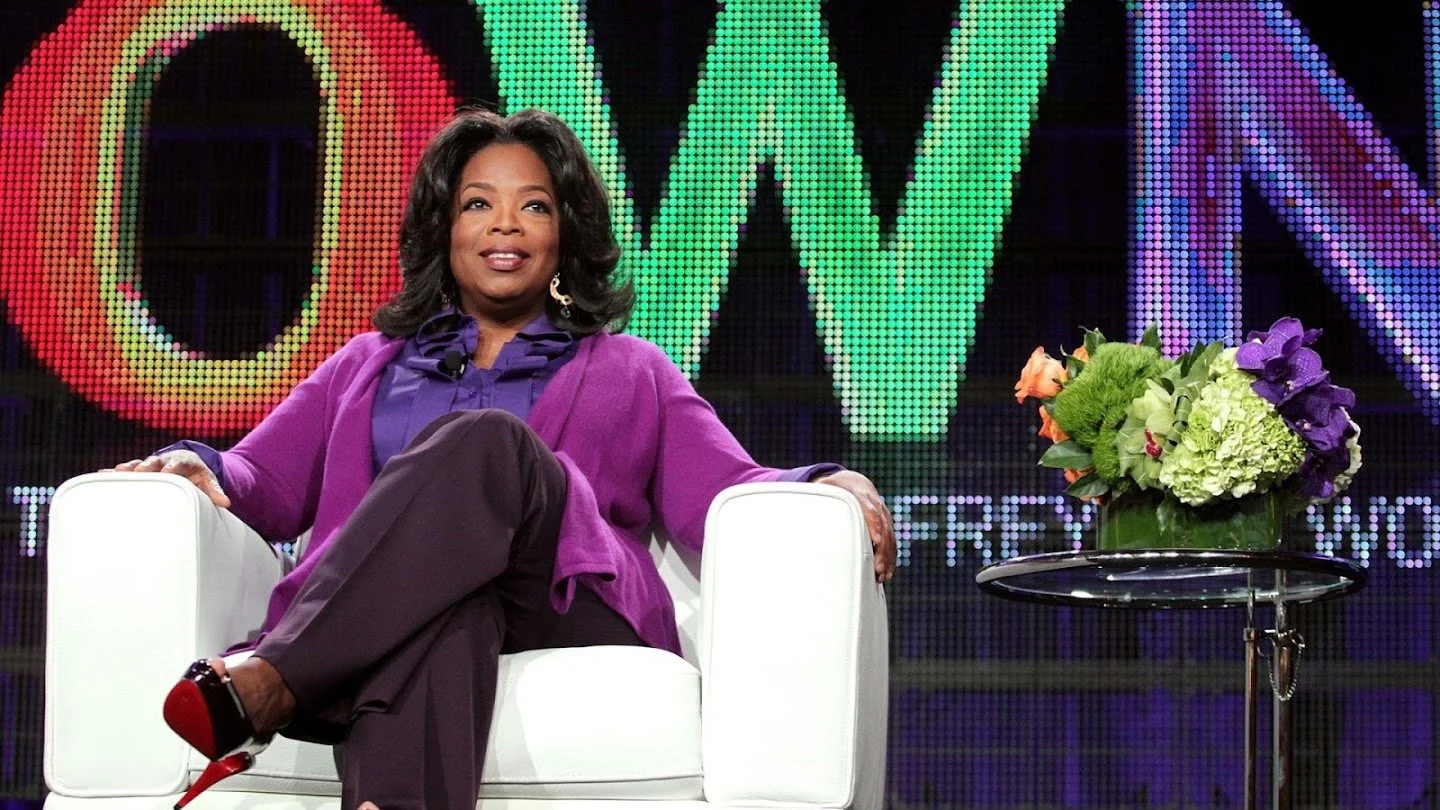
Looking back, that rejection was a mismatch—not a mistake. The role required detachment; Oprah’s strength was connection. Being pushed out of the wrong space redirected her into one where empathy, curiosity, and emotional intelligence weren’t liabilities—they were the point.
The result wasn’t just a successful career, but a completely new format of storytelling.
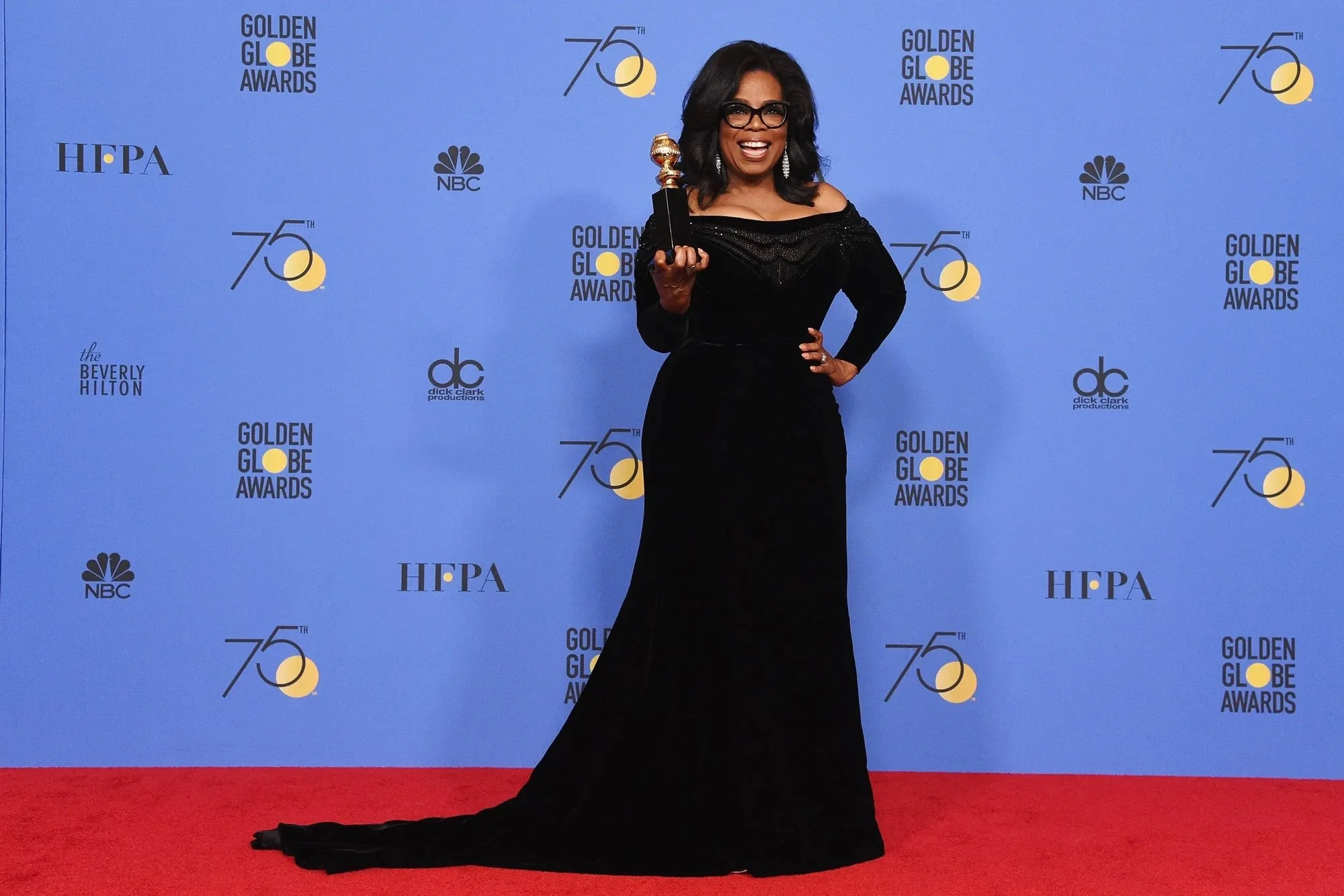
Redirection takeaway: The wrong environment will reject you every time. The right one will amplify you.
Michael Jordan: Cut, Then Driven
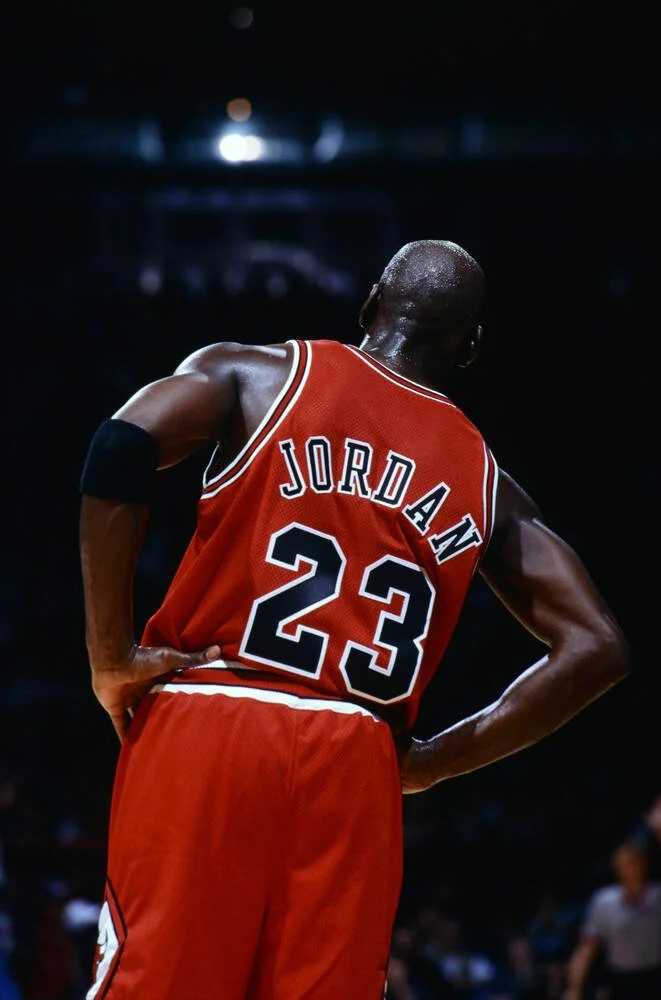
Michael Jordan didn’t make his high school varsity basketball team. That moment—often glossed over in highlight reels—was formative. Instead of signaling the end, it fueled a deeper commitment to growth, discipline, and resilience.
Being cut didn’t mean he wasn’t talented. It meant he wasn’t finished. The rejection sharpened his focus and clarified what he was willing to work for. It became a defining moment not because it stopped him, but because it redirected his energy.
Redirection takeaway: Rejection doesn’t define your ceiling—it reveals your work ethic and your willingness to elevate yourself.
Why Rejection Shows Up Before Alignment
What all of these stories have in common isn’t instant success—it’s timing. Rejection arrives when something is misaligned: the version, the environment, the expectations, or the readiness.
In design, we see this constantly. A layout doesn’t flow. A piece feels off. A space needs to be reworked. The solution isn’t to scrap the vision—it’s to adjust it until it fits the life it’s meant to support.
Life works the same way.

My own stories of reinvention and re-direction are not linear, and I’m willing to bet yours aren’t either. We need to look at these circumstances as opportunities, not obstacles and know that we all may experience this several times throughout our lives.
When something doesn’t work out, it nudges us away from what isn’t aligned and toward something more intentional—even if we don’t see it yet.
Rejection doesn’t mean you’re behind. It means something is being rearranged.
Sometimes the “no” is just life saying: not this version, not this timing—but keep going.
And more often than not, the redirection leads exactly where you were meant to land.
XOXO- STYLE Nation